Argentine Tango and Milonga: Basics Before Your First Milonga in Sapporo
Contents
This page is a reference translation of the Japanese original (日本語の原文). It has not been checked by a native speaker. Please confirm details with each organizer.
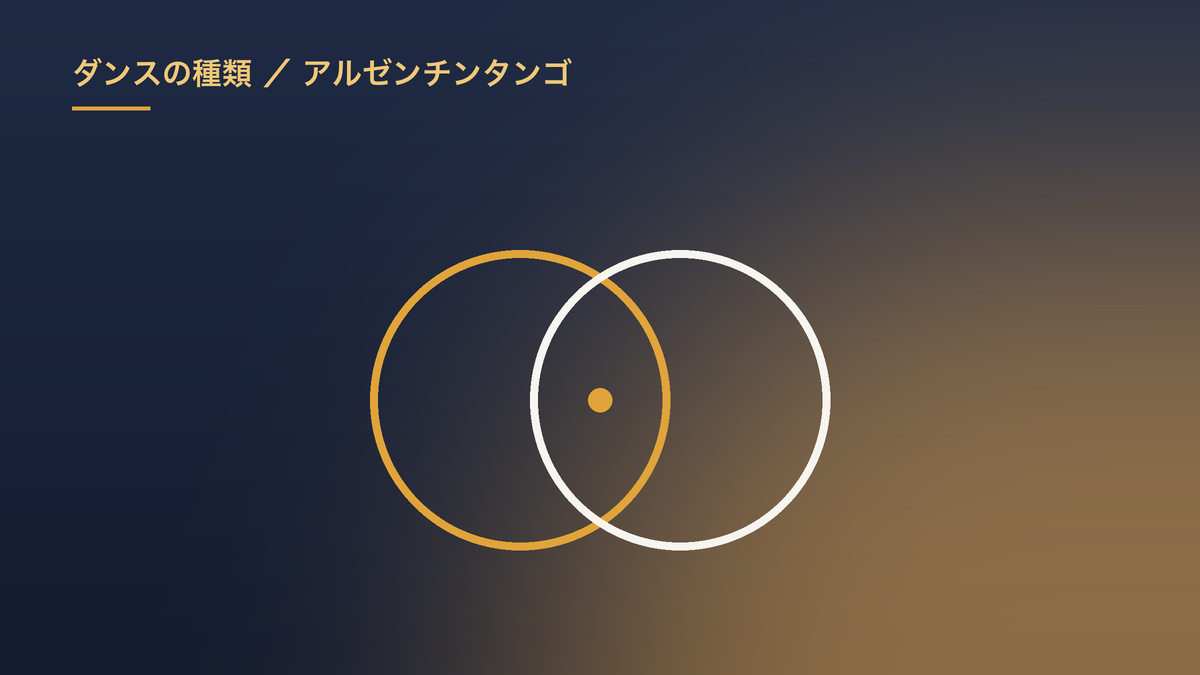
Argentine tango is said to have been born around the Río de la Plata, in Argentina and Uruguay. You face your partner in a close, embracing position (the abrazo) and walk together to the music.
What is a milonga?
A milonga is a social event (party) where people dance Argentine tango. It is also the name of a music genre.
“Milonga” has two meanings.
- A social event (party) where people dance tango
- A music genre and dance called milonga
When an event notice says “milonga,” it usually means the first one: the place where people dance.
How a milonga usually goes (a general example)
- Songs play in sets of three to four, called a tanda
- Between tandas, a cortina (a short piece of music that marks a break) plays. During it, people leave the floor and choose partners again for the next tanda
- To invite someone, people sometimes use the cabeceo, a signal made with the eyes
Fine points of etiquette differ by region and organizer. At your first milonga, it is reassuring to ask the organizer or other participants beforehand.
A guide to shoes
People often choose shoes whose soles are neither too slippery nor too sticky, and whose heels are stable. Whether you need dance shoes depends on the venue.
Please also read How to Ask for a Dance and How to Say No.
Related articles
- How to Find Latin Dance in Sapporo
- The History of Argentine Tango
- Which Dance Suits You? Choosing Among the 4 Dances / Latin Dance Glossary
- Party, Lesson or Workshop? The Differences
FAQ
Can beginners go to Argentine tango events?
Some places offer lessons for beginners. A milonga has etiquette, so for your first time it is reassuring to ask the organizer beforehand.
Can I join without a partner?
It is said that many events let you join without coming as a pair. Please check the organizer’s notice.
Sources
Sources for history and origins are listed at the end of the history article. Technical explanations (basic steps, names of styles) can differ by school and teacher.