What Is Salsa? Music, Rhythm and On1 / On2 / Cuban Styles
This page is a reference translation of the Japanese original (日本語の原文). It has not been checked by a native speaker. Please confirm details with each organizer.
Images on this site are AI-generated illustrations, not photographs of real people, places or events.
Spotted something unnatural or wrong? Please tell us through the correction form (the form is in Japanese, but you can write in English).
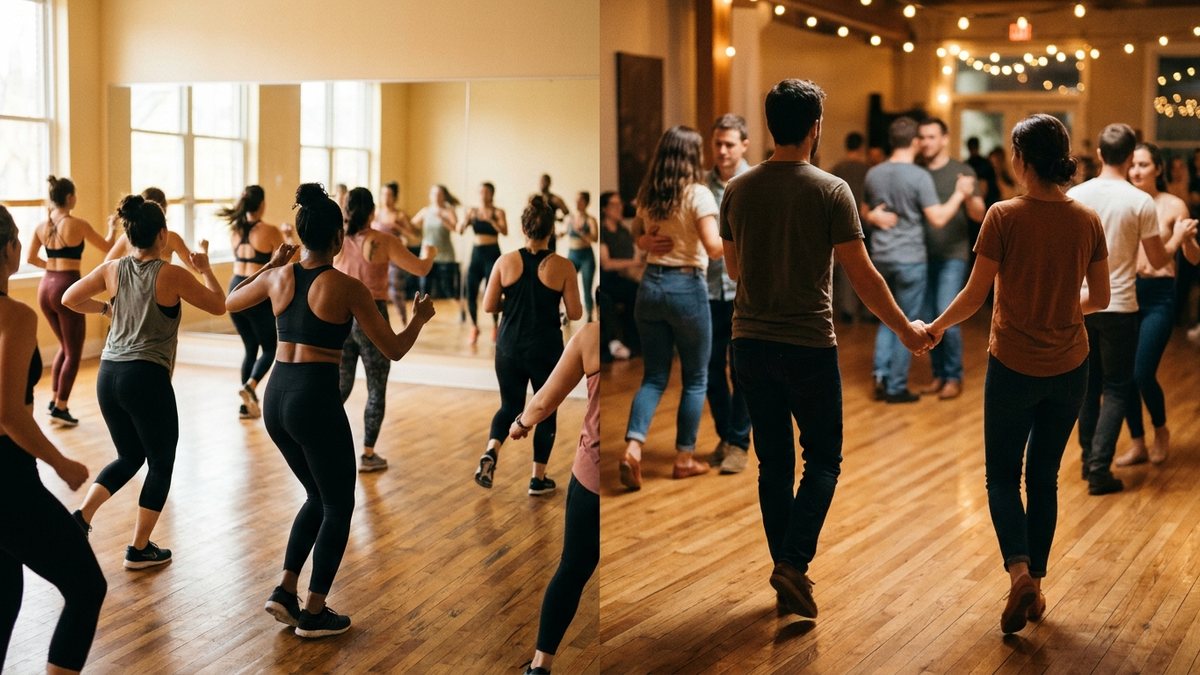
Salsa is one of the best-known partner dances done to Latin music. The word is both the name of the dance and the name of the music genre.
Roots
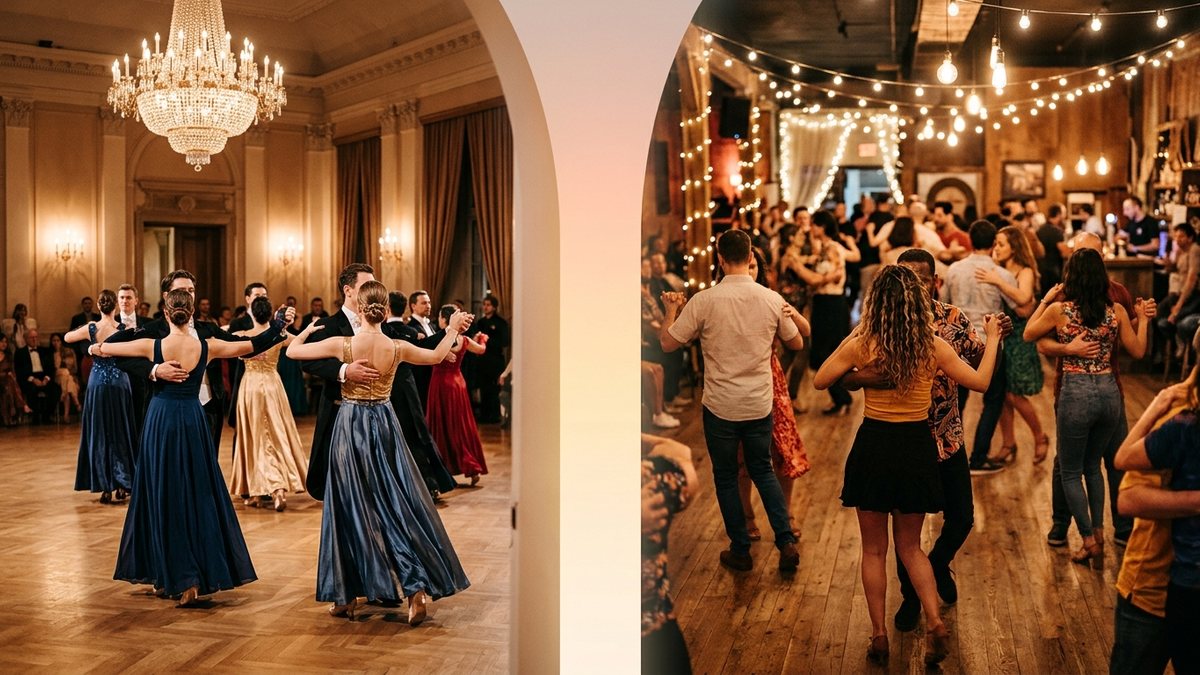
Salsa is said to have grown out of Cuban music, mixed with many other elements in places such as New York, and then spread. The way people dance differs a little from region to region.
Styles you often hear about
| Name | Features (general description) |
|---|---|
| LA style (On1) / New York style (On2) | Both move forward and back along a straight line. The difference is the beat on which you step |
| Cuban (casino) | Moves in circles. It leads to rueda (dancing in a circle) |
Note: some people also say “New York On1.”
The exact definitions of these terms can differ by school and teacher. When you take a class, ask which style it teaches.
What the music is like
Several rhythms from percussion instruments layer on top of each other, and you count them in groups of 8 beats. Counting the beats feels hard at first. Many people start by listening to a song and practicing the count “1, 2, 3, 5, 6, 7.”
Related articles
- Instruments and Rhythm Basics: Salsa, Bachata, Kizomba and Tango
- The History of Salsa
- Salsa On1 vs On2 vs Cuban Style: What’s the Difference? Which Should Beginners Learn?
- What Is Rueda de Casino?
- How to Start Latin Dancing in Sapporo
- Son, Mambo, Cha-cha-chá and Rumba: The Cuban Music That Came Before Salsa
FAQ
Is salsa difficult?
Some people find counting the beats hard at first. Many start by listening to a song and practicing the count. How fast you improve differs from person to person.
Can I start if I have no sense of rhythm?
I think you can. Classes and lessons often teach you how to find the beat. If you are worried, ask the organizer beforehand.
Sources
Sources for history and origins are listed at the end of the history article. Technical explanations (basic steps, names of styles) can differ by school and teacher.